
 India (English)
 Middle East and Africa (English)
 South Africa (English)
 Australia (English)
 Japan (日本語)
 South East Asia (English)
 Singapore (English)
 United Kingdom (English)
 Argentina (Español)
 Brazil (Portuguese)
 Colombia (Español)
 Latin America (Español)
 México (Español)
 Chile (Español)
 Peru (Español)
 Canada (English)
 United States (English)

How to trim a beard the right way? That’s the question every bearded man asks. While growing a beard is easy, keeping it well-groomed and stylish requires effort. In this comprehensive guide, we’ll walk you through how to trim your beard like a pro, ensuring a sharp, well-defined look. Whether you’re shaping a stubble, maintaining a full beard, or styling a goatee, these beard trimming tips will help you master the art of grooming.
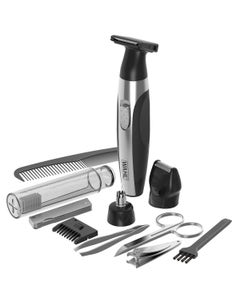
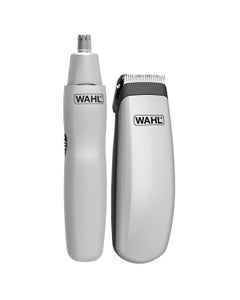
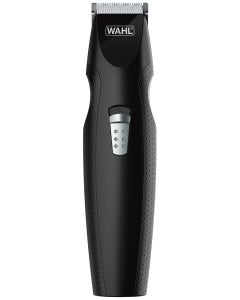
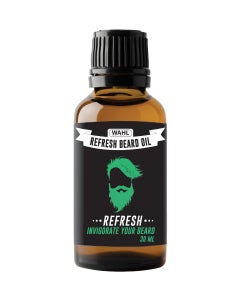
Before we dive in, check out our top-rated products for beard trimming to keep your grooming routine on point!


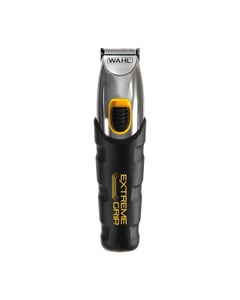
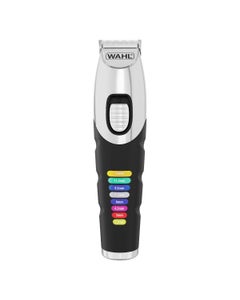
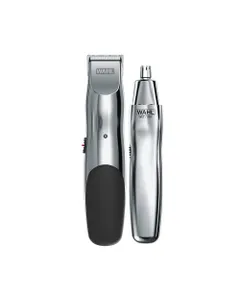
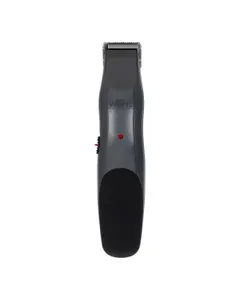


Summary
- How to trim a beard on a daily basis?
- How to choose the right cutting length for a beard trimmer?
- How often should you trim your beard?
- What do you need to trim your beard?
- How to choose the right trimmer for your beard?
How to trim a beard on a daily basis?

Steps before you start to trim
Step one: to choose your beard style
Do you want a beard cut that’s square, rounded, or pointed? Picking the right shape based on your face structure is the first step in how to best trim a beard for a polished look. Research styles that complement your face shape, and follow the trimming steps accordingly. A well-shaped beard enhances your overall appearance and adds to your unique style.
Step two: prepare your beard
Before cutting a beard, wash and dry it thoroughly. A clean, untangled beard ensures an even trim. Follow these steps:
- Apply beard oil or butter to condition and soften your facial hair.
- Comb your beard thoroughly to detangle and allow it to settle naturally.
- Use a blow dryer (if needed) to shape and set your beard.
By preparing your beard properly, you ensure that the hairs are lying naturally, allowing for a more even and accurate trim.
Step three: define your beard shape
To achieve a well-groomed look, you must define three key beard lines: cheek line, back line, and neckline.
- Cheek line: the cheek line runs from your sideburns to your mustache. A common rule is: less is more. Only remove stray hairs that grow above your natural cheek line. A higher cheek line maintains a fuller, more natural look.
- Back line: the back line extends from the back of your sideburns down to the corner of your jaw. Keep this line straight with a slight backward angle to give your beard a structured appearance. Using a hand mirror makes trimming the back line much easier.
- Neckline: trimming the neckline correctly is crucial. Many men trim it too high, leading to a weak-looking beard. Instead, place two fingers above your Adam’s apple and trim an even line at that level. Keeping some neck hair adds fullness to your beard and enhances its shape. If you want more advices consults our guide on how to trim a neckline for a beard.
Steps during the trimming process
A reminder before you start cutting
- Set your beard trimmer to the longest length setting.
- Trim against the direction of hair growth to remove excess bulk.
- Adjust to a shorter setting and repeat the process until your beard is evenly shaped.
Step one: define your neckline
Your neckline plays a big role in how to trim beard for a well-groomed appearance.
- Place one finger just above your Adam’s apple, this is where your beard should end.
- Trim a vertical line under this point, then work outward under your jawline toward each side.
- Shave off any stray hairs below this line for a clean finish.
Skipping this step? If you're keeping stubble, you can leave the neckline natural. However, for a full beard, defining the neckline is essential.
Step two: clean up the sideburns and cheeks
Use a beard trimmer with adjustable guards to gradually fade your sideburns into your beard. Start with a longer guard and trim down in small increments until you achieve a seamless blend. Start with your sideburns, as they set the tone for the rest of your beard. Here’s how:
- Choose your guard length by holding it against your beard before attaching it to the trimmer.
- Trim conservatively at first, it’s always better to cut less and adjust as needed.
- Work from the sideburns down to the cheeks, gradually blending into the longer areas.
Even if you have a long beard, keeping your sideburns tidy creates a clean, polished appearance.
Step three: shape and define the beard
Think of trimming your beard like sculpting. Use a beard trimmer or scissors to remove stray hairs and define the shape, working from the outside in.
Step four: trim and shape your mustache
Your mustache should blend well with your beard while maintaining a neat lipline.
- Trim it to the same length as your beard or leave it slightly longer for definition.
- To achieve a clean lipline, close your mouth and smile, then trim along the upper lip using a precision trimmer.
- For an extra sharp look, remove the guard and trim about 1mm above your lips.
Wahl tip: if you have a long beard, you may not need to trim the neckline, as the beard length naturally covers this area. However if you want to know more about trimming long beards check our guide : how do you trim a long beard.
Weekly Beard Maintenance Routine
To avoid frequent major trims, do a weekly touch-up:
- Use scissors to clean up the bottom edge and flyaways.
- Trim mustache hairs that extend over your lip.
- Shape cheek lines and neckline for a polished look.
How to choose the cutting length of a beard trimmer?
Before selecting a beard trimmer, it’s important to identify your beard style and its unique grooming requirements. Different beard lengths demand specific trimming techniques and tools. Here’s a quick breakdown:
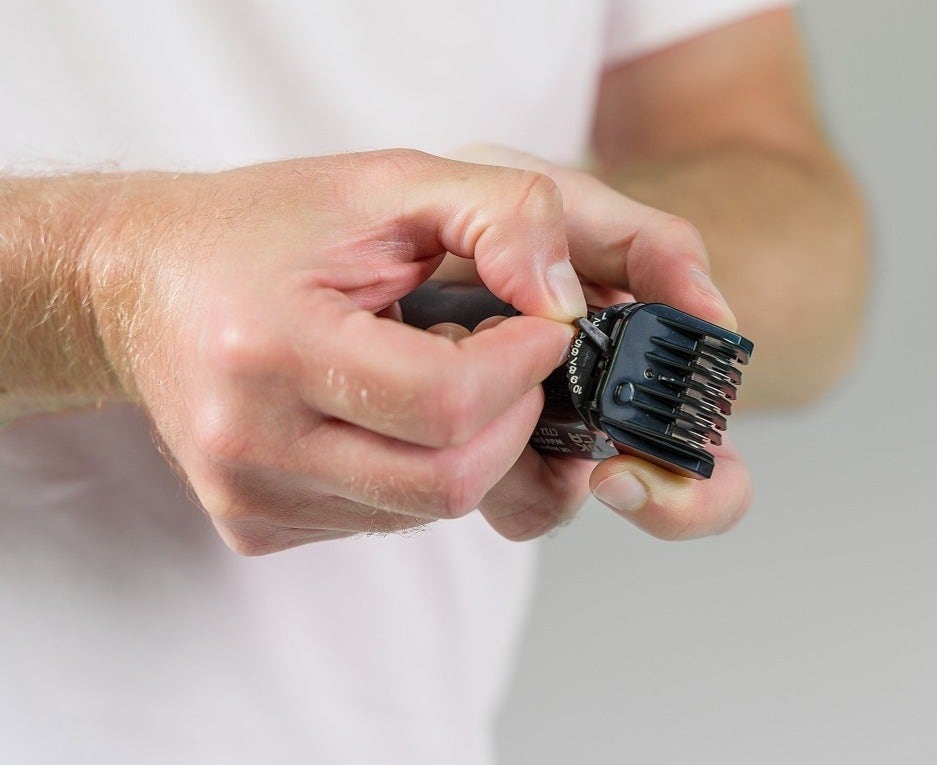
- Stubble (1-3mm)
A rugged yet effortless look, the stubble requires frequent trimming to maintain even length. Look for adjustable clip settings to achieve a well-defined appearance. - Short beard (3-10mm)
This style offers a clean, professional look while still keeping some length. Opt for a trimmer with multiple length settings and sharp blades to maintain definition. - Medium beard (10-20mm)
As beards grow longer, they require more upkeep to maintain shape and prevent stray hairs. A trimmer with extended length options and shaping attachments is ideal. - Long beard (20mm and beyond)
A statement beard requires dedication and a powerful trimmer with adjustable length settings to tame and sculpt the shape properly. - Goatee and precision styles
For defined beard styles like a goatee, Van Dyke, or mustache, precision is key. A trimmer with fine detailing attachments ensures accurate shaping.
Now that you know which trimmer settings suit your beard style, let's dive into the six key factors to consider when choosing the right trimmer.
How often should a beard be trimmed?
Trimming your beard is about shaping and defining your facial hair for a clean, structured appearance. Without proper trimming, a beard can look unkempt and uneven. That's why it needs to be maintained.
The period between two trim varie according to the different areas of the beard. Here's a timeline for each area:
| Areas | Period |
| Neckline | After 2 weeks |
| Cheek lines | After 4 weeks |
| Mustache | After 4 weeks |
Wahl tip: if you’re growing a new beard, patience is key, resist the urge to trim for the first 30 days.
What do you need to trim your beard?
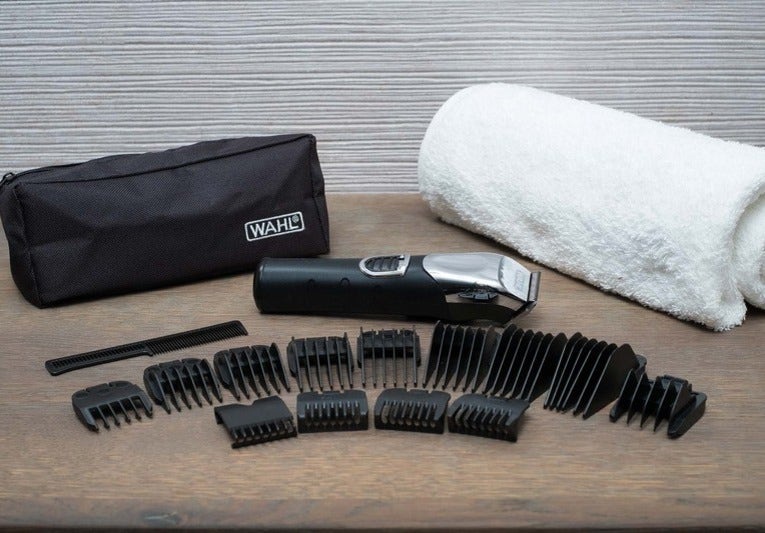
Before getting started, make sure you have the right tools. A well-prepared beardsman is a successful beardsman! Here are some essential beard trimming tools:
- Beard brush and comb to help align beard hairs and detangling them when they're long.
- Beard trimmer for setting your neckline and cheek lines while maintaining an even length.
- Beard trimming scissors for snipping stray hairs and achieving precision in longer beards.
- Beard wash to keep your beard clean and soft, ensuring a more natural trim.
- Beard conditioner or softener to moisturize and nourishe beard hairs, reducing damage.
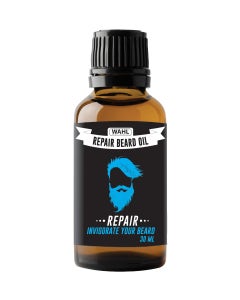
- Beard oil to hydrates the skin underneath and keeps your beard looking polished post-trim.
How to choose the right trimmer for your beard?
Rather than choosing the cheapest option, focus on durability, performance, and overall functionality. Read reviews and compare features to ensure you're getting the best long-term investment for your grooming routine. We advice you to check:
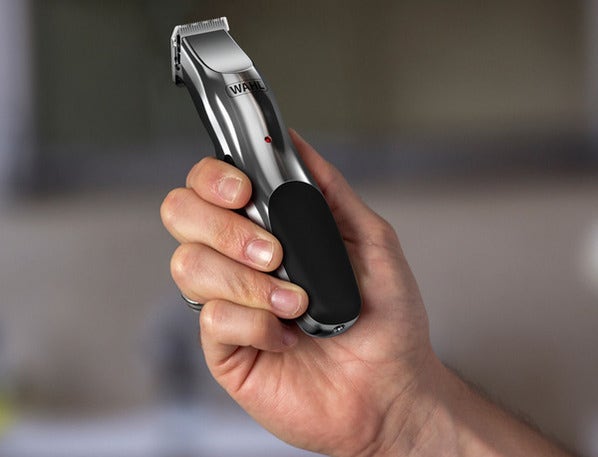
- The length settings: a trimmer with multiple adjustable settings allows you to customize your trim for various styles, from short stubble to full beards.
- The blade's quality: a beard trimmer’s blade quality determines how smoothly it trims.
- The battery's power and life: for cordless convenience, choose a trimmer with a long battery life and quick charging capability.
- The design: a well-designed grip and lightweight body make trimming easier, especially for longer grooming sessions.
- The extra features and attachments:
- Precision trimmer heads for styling details like mustaches and sideburns.
- Waterproof models for easy cleaning and wet trimming.
- Vacuum systems to minimize mess by collecting trimmed hairs.
Understanding how do you properly trim a beard takes time and practice, but with the right technique and tools, you can achieve a professional look at home. Stick to each beard trimming advice, and soon, your beard will be sharp, stylish, and perfectly maintained.
Happy trimming, and see you soon!